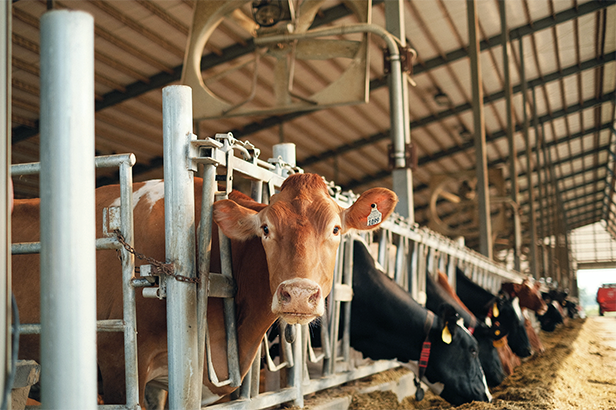
The Effect of Homogeneous Feed Mixing on Milk and Meat Yield
Efficiency in livestock farming is directly related to proper nutrition, balanced rations, and a sustainable production approach. Especially the homogeneity of feed mixing is one of the most critical factors determining milk and meat yield. Poorly mixed feed leads to unbalanced nutrition among animals, which may cause productivity losses and health problems.
Why Is Homogeneous Mixing So Important?
The protein, energy, vitamin, and mineral values in feed must be delivered equally to every animal. Thanks to homogeneous feed mixing:
- Animals do not engage in selective feeding
- Ration balance is maintained
- The digestive system functions more healthily
- Daily milk yield and live weight gain become more consistent
This balance is a key factor for profitability, especially in large-scale livestock operations.
Contribution to Productivity and Farm Economics
Properly mixed feed increases feed efficiency, meaning higher performance with less feed. In dairy farming, it ensures stable milk yield, while in fattening operations it supports faster and healthier growth. At the same time, feed waste is reduced and operating costs are kept under control.